
Journal
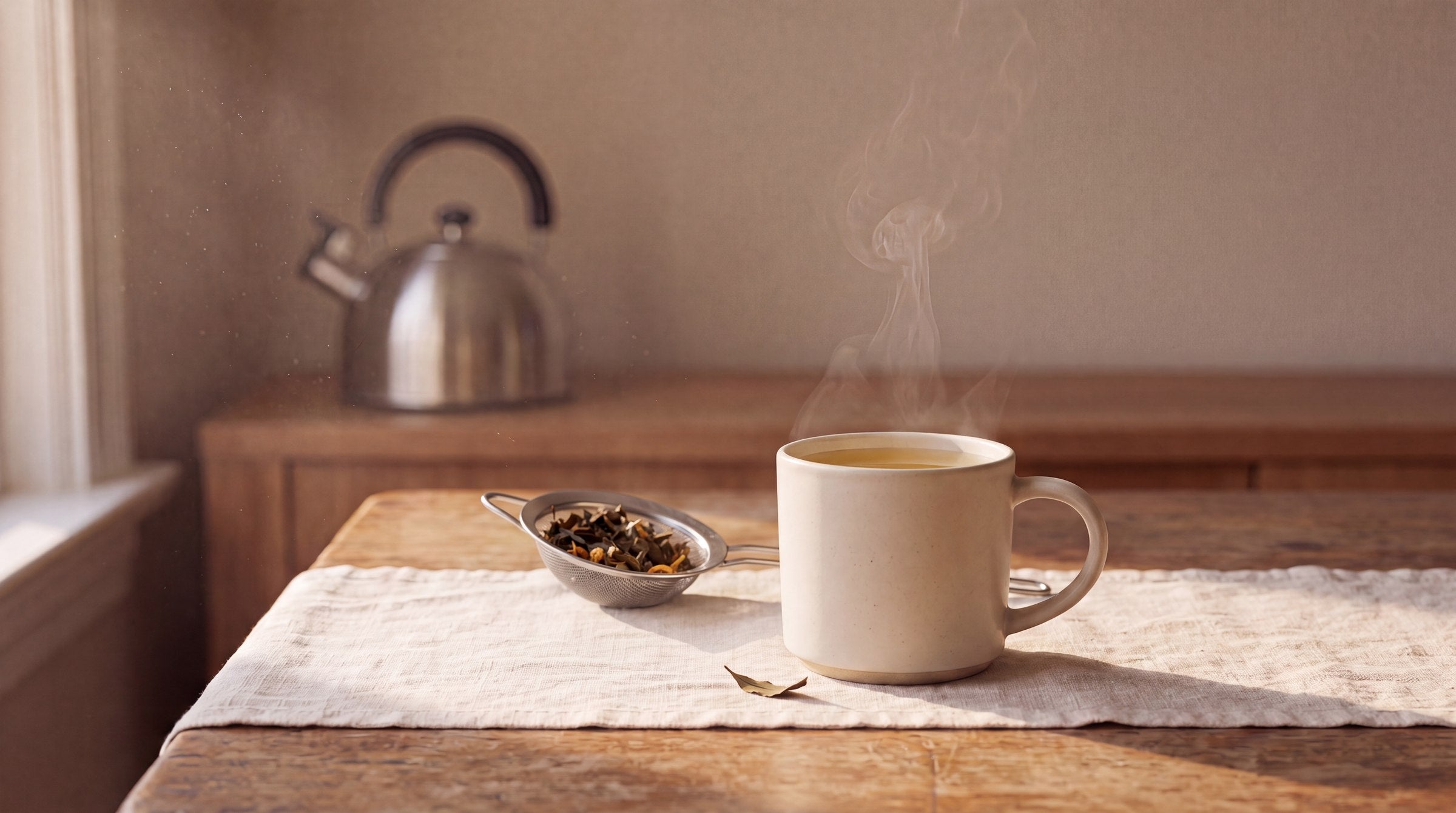
How to brew loose-leaf without overthinking it
No infuser, no thermometer: loose-leaf takes a strainer, a kettle, and the number on the pouch. The doses and steep times for all four blends, plus the one exception worth knowing.
Read more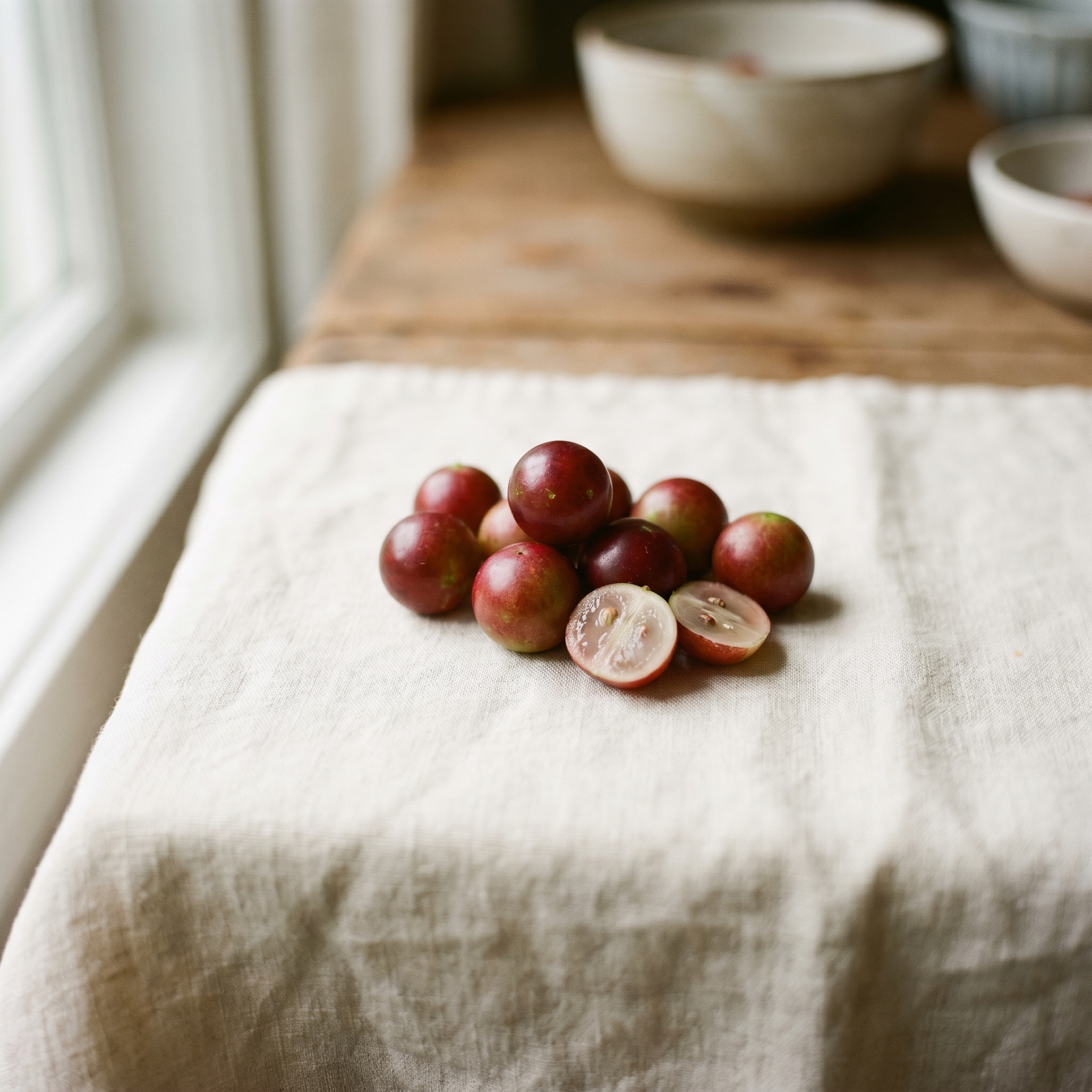
What Is Camu Camu? The Amazon Fruit Too Sour to Eat
Fresh camu camu is almost too sour to eat, which is why the Peruvian Amazon juices, pulps, and blends it. Where the flooded-forest fruit comes from, and what it does in Gather.
Read more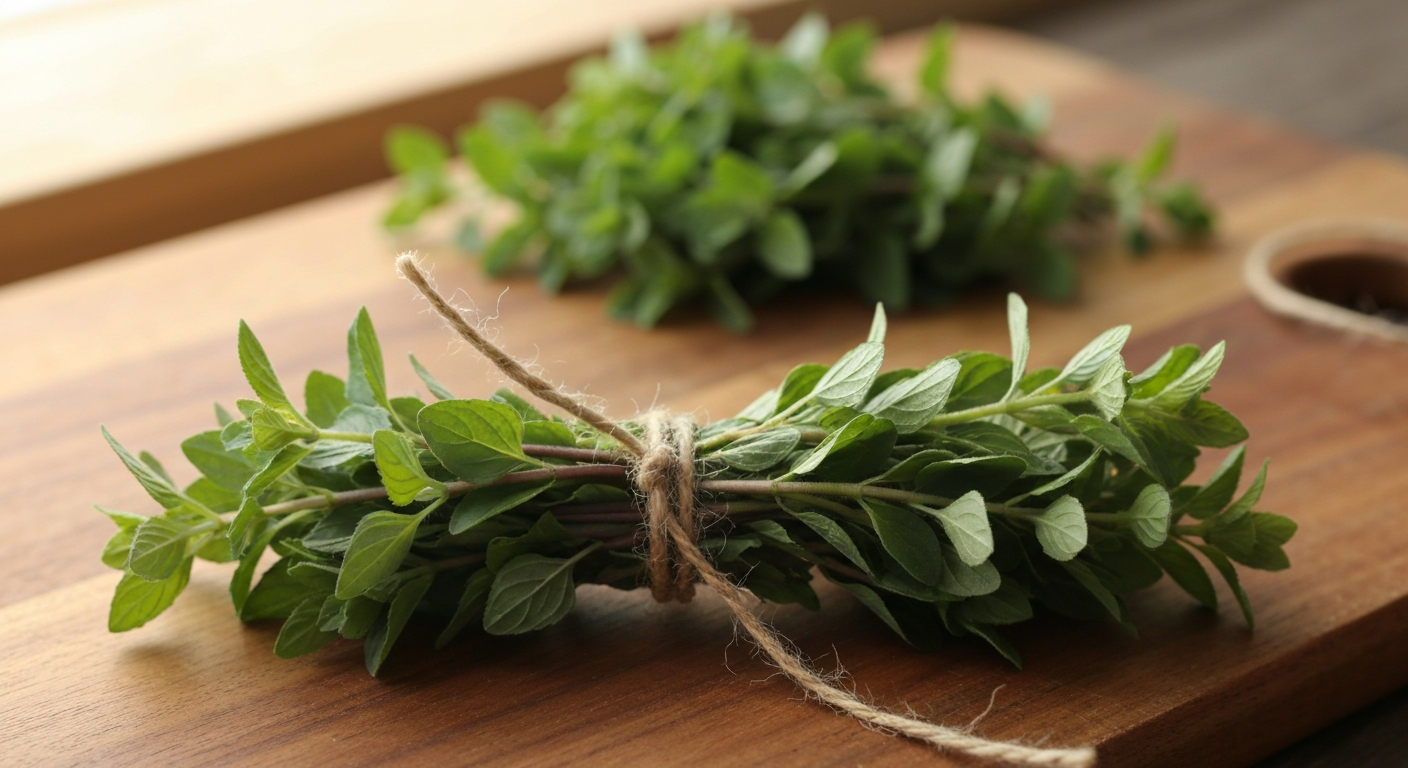
What Is Muña? The Wild Mint of the Andes
Muña: the wild Andean mint behind the highlands' after-meal cup, and why it is not the black mint in Rooted.
Read more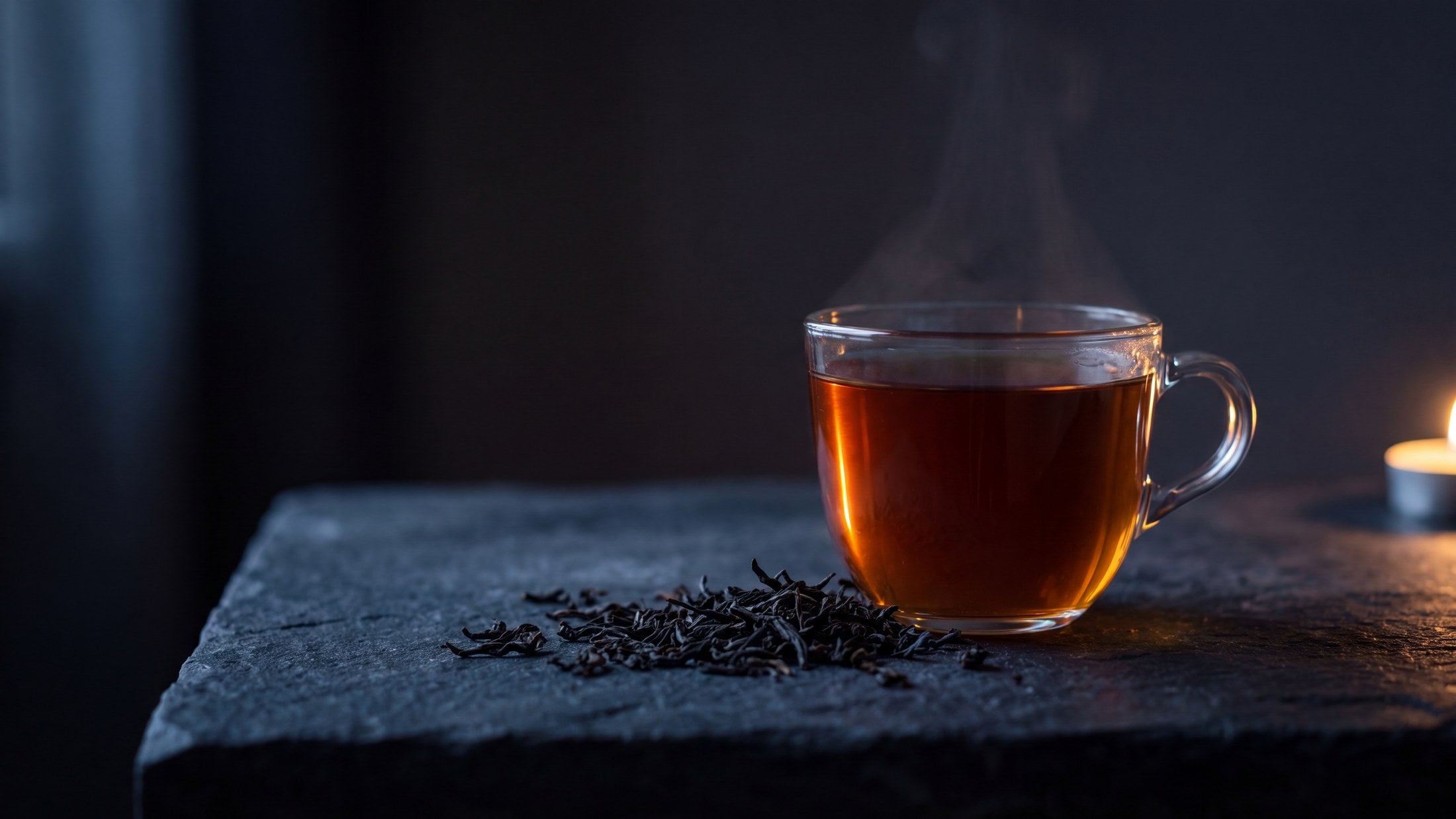
Sleepytime, Bedtime, Calm: the classic blends on the American bedtime shelf are tisanes, no tea leaf in the formula. Dusk is actual tea, and the black leaf is there for structure.
Read more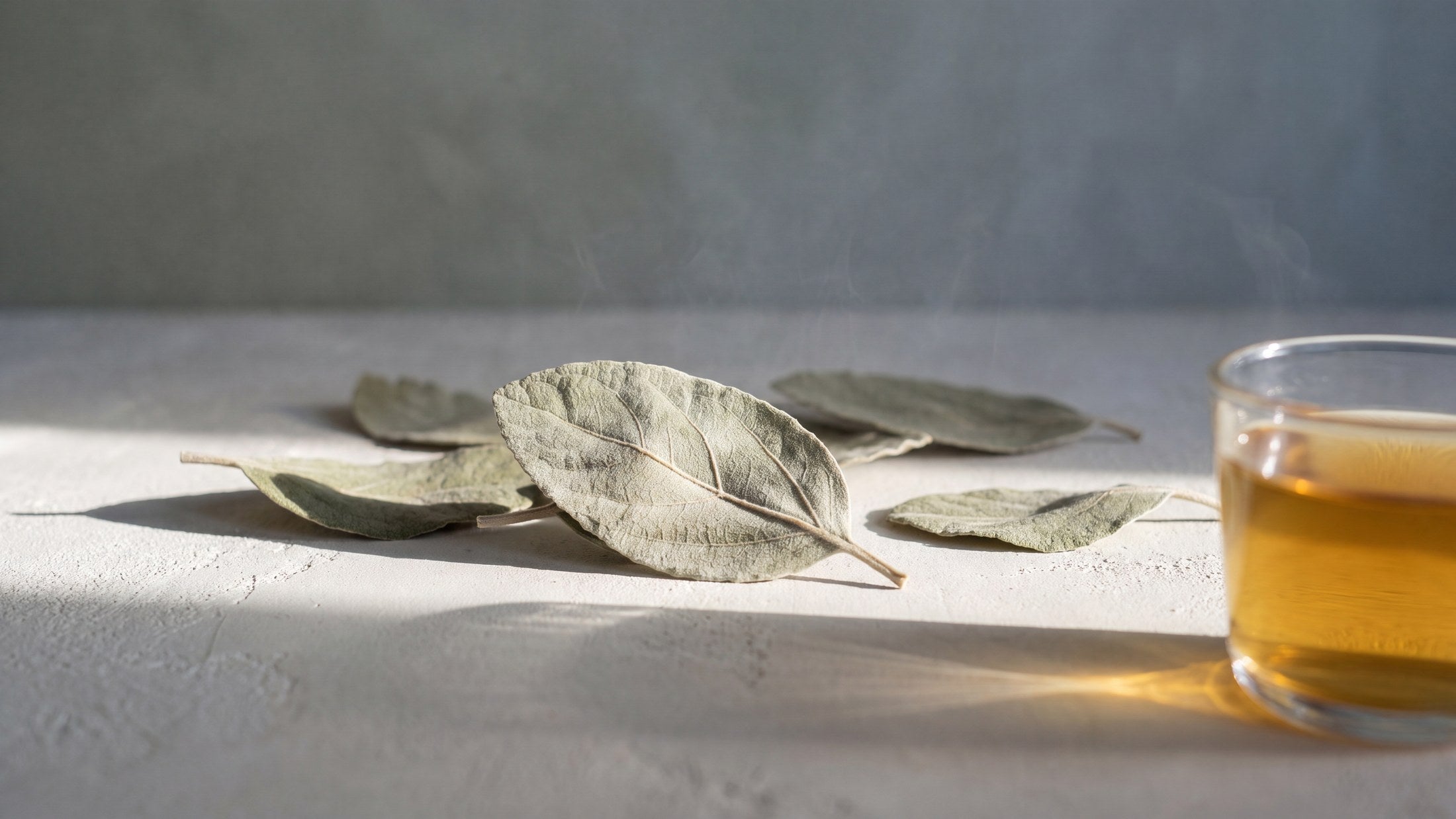
The After-Meal Tea America Never Imported
In Chile and Peru, lunch closes with a cup of boldo, a slow-growing, wild-harvested tree leaf. The plant, the after-lunch cup it makes, and why it anchors Rooted.
Read more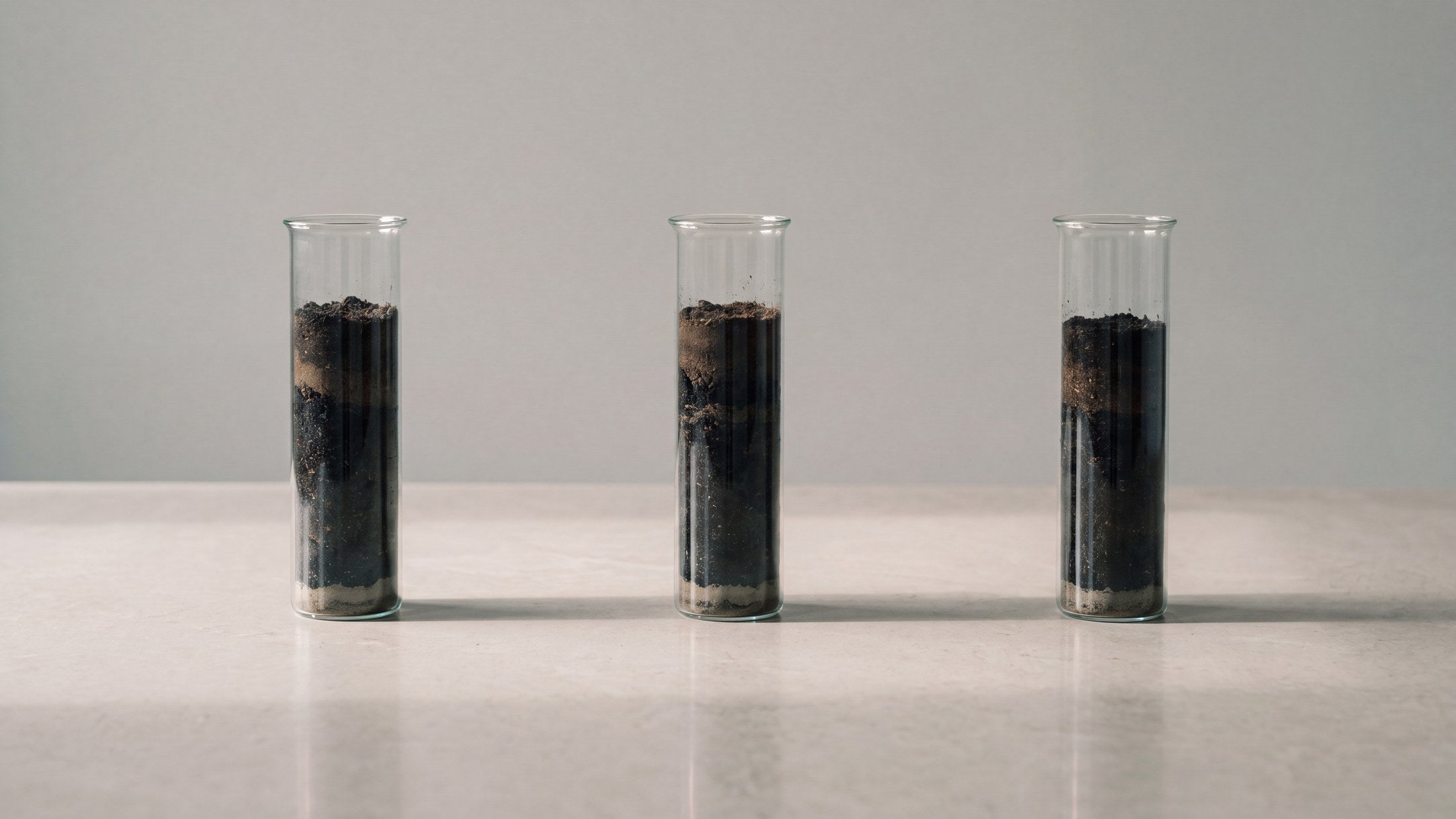
What the Organic Seal Verifies
Three years of soil records, an annual inspection, and a fee that lands hardest on small farms: what the USDA Organic seal proves, and how to read a tea label with or without it.
Read more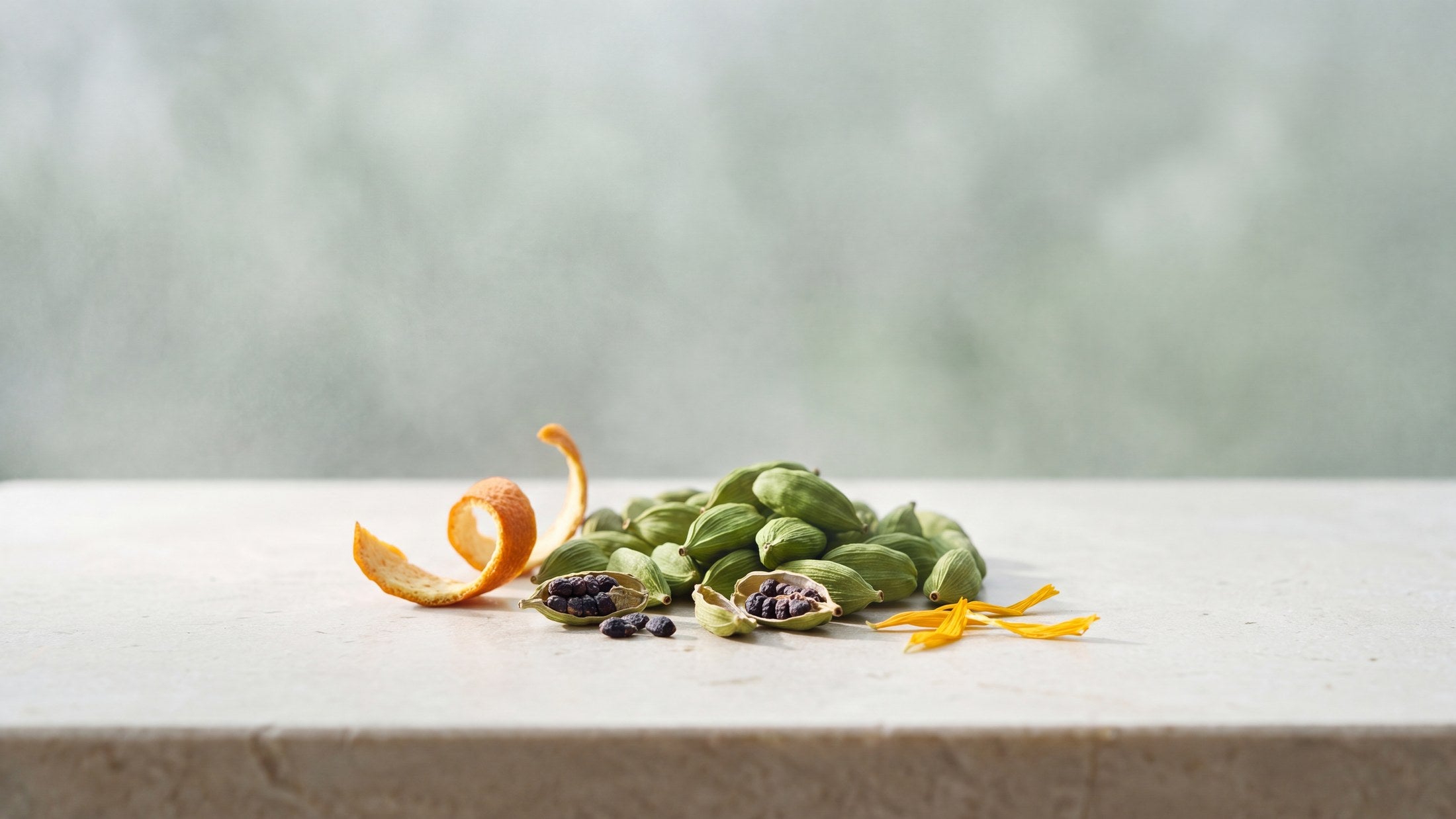
Peruvian Cardamom: The Cloud-Forest Spice in Daybreak
Nearly all the world's cardamom comes from India or Guatemala. Daybreak's grows in Peru's central cloud forest, under the coffee canopy of Villa Rica.
Read more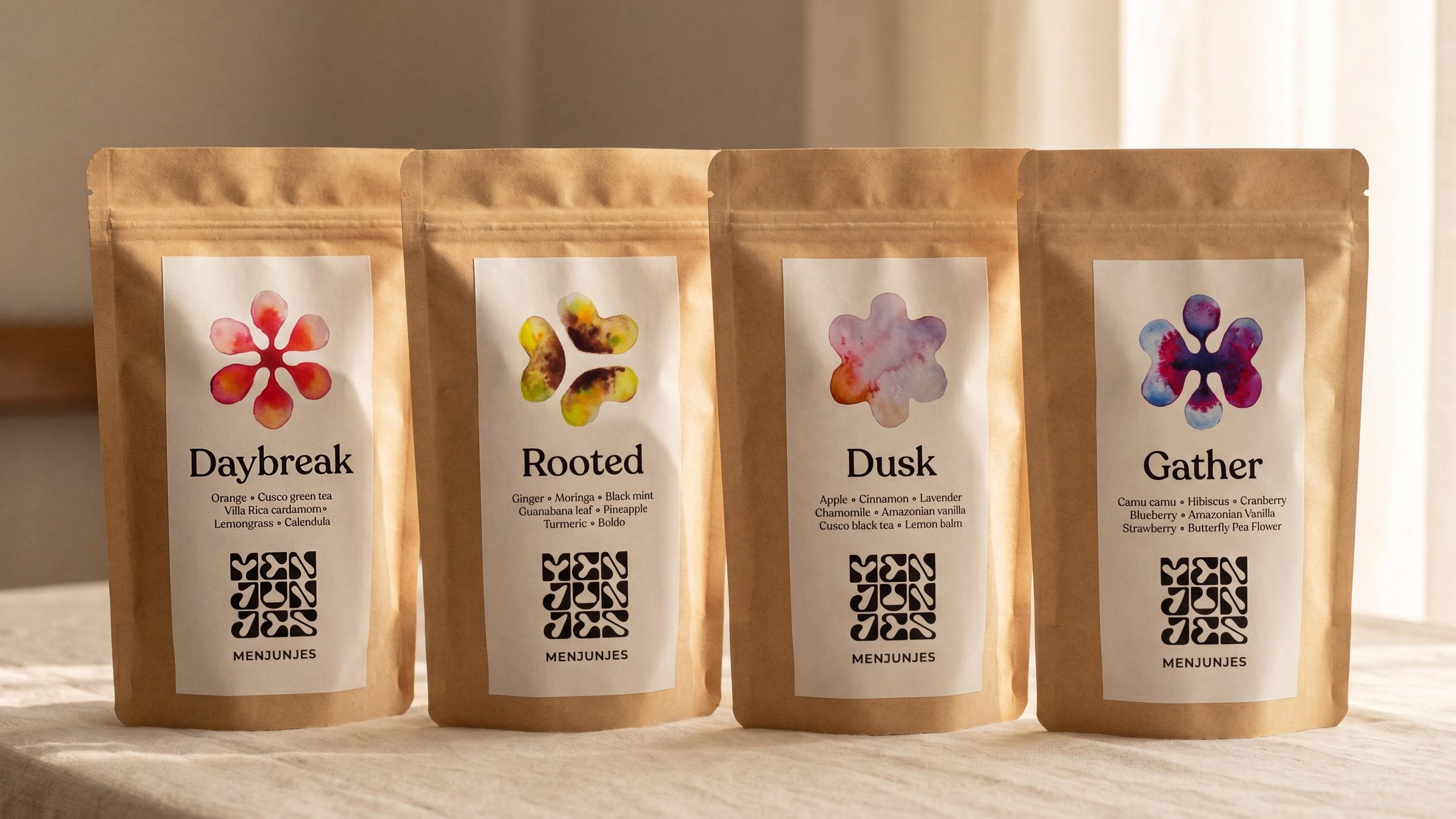
A Loose-Leaf Tea Gift That Isn't Matcha
About 25 cups across four blends, one for each part of the day. How to judge any loose-leaf tea gift, and how to match the blend to the person.
Read more