What the Organic Seal Verifies
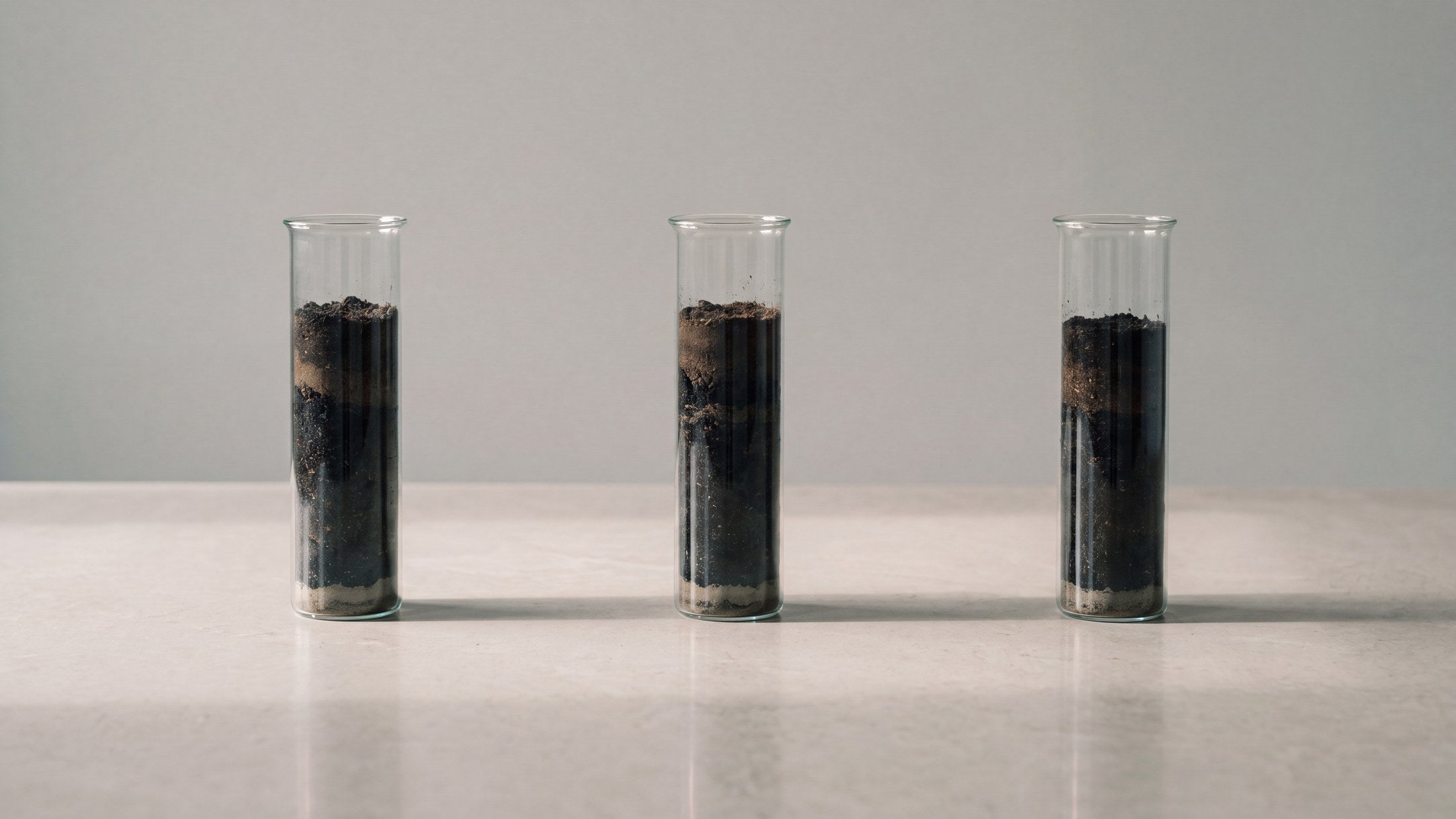
Before the USDA Organic seal can go on a box of tea, the farm behind it has to account for three years of its soil's history. Most shoppers read the seal in half a second; the audit behind it is one of the more demanding in food. Knowing what that audit proves, what it costs, and who it prices out makes every tea label easier to read, including the ones without a seal.
The three-year rule
The rule sits in the USDA's National Organic Program. Land has to go a full thirty-six months without any substance on the program's prohibited list before a crop grown on it can be sold as organic. The grower files an organic system plan, keeps records of every input from seed to storage, and then submits to an in-person inspection by an accredited third-party certifier. The inspection is not a one-time hurdle; it happens every year the seal stays on the label. When you see the mark on a shelf, an outside auditor has walked those fields and signed off on the records.
The seal certifies process, not flavor: nothing about the mark tells you whether the leaf was picked well or blended with care. And it says nothing about labor; that is a different mark's job.
Who the seal prices out
All of that checking is work, and the work is billed. Between application fees, the annual inspection, and the bookkeeping behind the paper trail, certification typically runs a grower several hundred to a few thousand dollars a year, depending on the certifier and the size of the farm. Those figures come from certifier fee schedules and organic-agriculture research surveys. On a smallholding's margins, that is real money.
The program does make allowances. A federal cost-share scheme reimburses part of the bill for growers who apply, and the very smallest operations, those selling under five thousand dollars of organic product a year, are exempt from certification altogether, though the exemption does not come with the seal. For everyone in between, the fee recurs every year, the inspection does too, and the return depends on whether the buyer will pay more for the mark. Whether certification makes sense is a business decision, and for many growers the answer is no.
Where growers do certify, the cost travels the way costs tend to travel: up the chain and into the shelf price. Part of what you pay for a certified tea is the paper trail itself. That is not a scandal; it is what independent checking costs. But the absence of a seal tells you about a farm's paperwork, and often about its size, before it tells you anything about its fields.
If the seal is your hard line
If the seal is your hard line, use it. Look for the USDA Organic mark, and for a Fair Trade mark beside it if labor matters to you as much as soil; the schemes differ, so read which one is on the box. There are good certified teas at every price, from the supermarket aisle to single-estate leaf, and each mark stands for a specific, published standard.
What no seal can do is name the farm, the valley, or the plants. A standard is general on purpose: the same clauses have to fit an Iowa soybean field and a mountain tea garden. So the seal answers one question, how the crop was handled, and leaves the others, what is in the blend and where each ingredient comes from, to the rest of the label.
Reading the panel instead
The rest of the label is the ingredient panel, and the panel is where Menjunjes puts its specificity. Every pouch names each ingredient — Cusco green tea, Villa Rica cardamom, Amazonian vanilla, camu camu from the Amazon — and names the origin where the origin is verified. All four are blended in Peru, from Peruvian and globally sourced botanicals. We have written separately about what made in Peru means on a Menjunjes label.
That habit of reading transfers to any tea, certified or not. Look for whole ingredients named one by one rather than folded into "natural flavors." Look for origins attached to specific ingredients rather than draped across the whole box. A panel written that way can be checked, and the brands that write them know it.
The certification steps and the small-operation exemption come from the USDA National Organic Program's published regulations and guidance; the note on labor marks from the labeling schemes' own published standards.
Menjunjes