The After-Meal Tea America Never Imported
In much of Chile and Peru, the last thing to reach the lunch table is a cup brewed from boldo, a wild tree of the central Chilean hills. People in the Southern Andes have been steeping its leaves far longer than anyone there has been drinking coffee.
Excavations at Monte Verde in southern Chile, one of the oldest known human sites in the Americas, turned up boldo leaves among the plant remains. As the site's researchers have described it, that puts the leaf in human hands more than twelve thousand years ago. Almost none of that long history crossed the border north. Chamomile, peppermint, rooibos, ginger: you can buy any of them anywhere. Boldo you cannot. This is the story of why, and of the cup it still makes.
What is boldo?
Boldo (Peumus boldus) is a tree native to central Chile, where it grows wild in the sclerophyll forests of the coastal ranges and lower Andean foothills. It is an evergreen of the matorral, the dry scrubland that runs down the middle of the country, and it holds its leaves through the year.
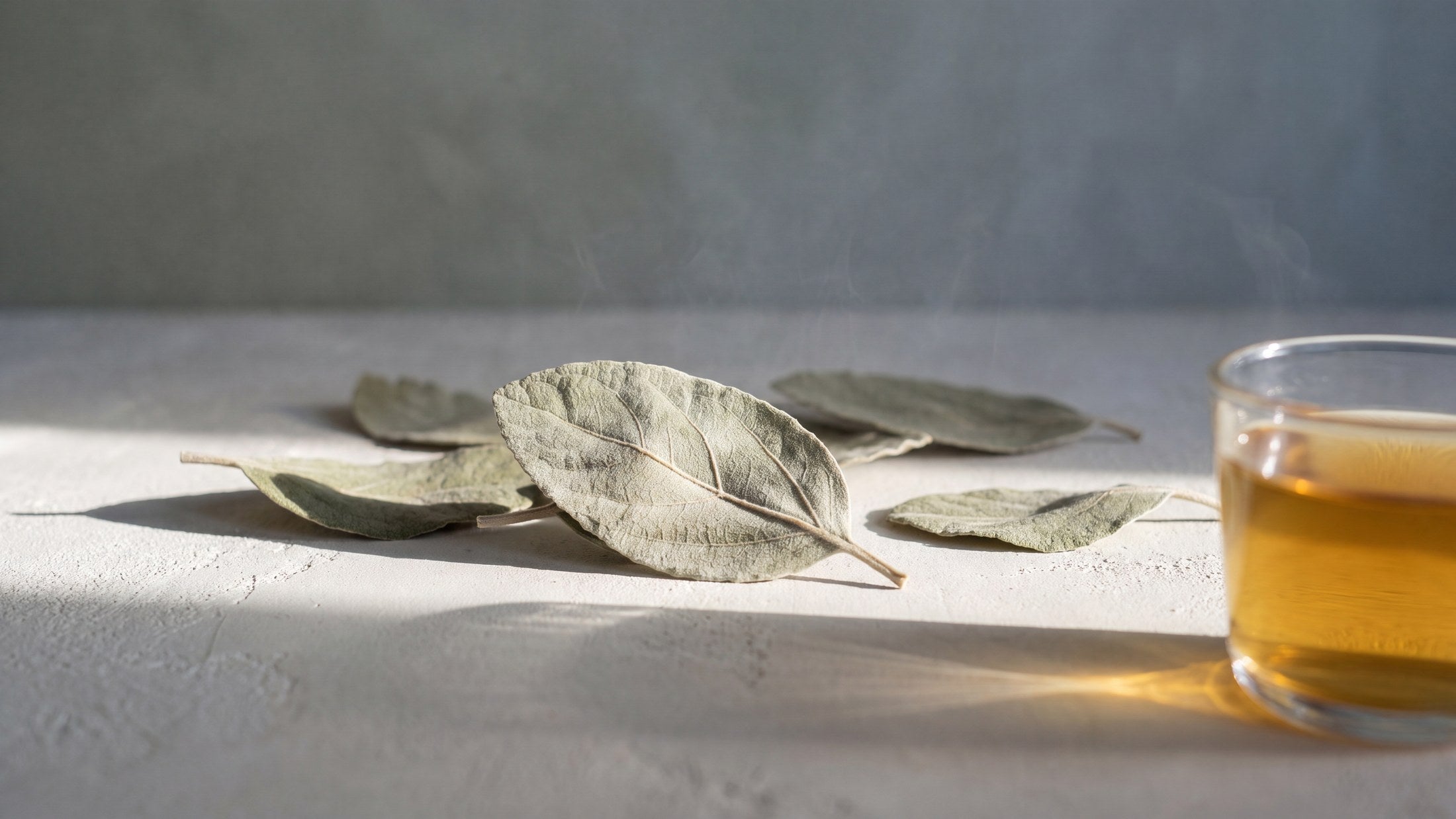
Those leaves are the part that matters. They are leathery, narrow, slightly oily; they smell faintly of camphor when you crush one in your hand. That camphor note is the tell. It is what makes boldo instantly recognizable to anyone who grew up with it, and completely foreign to anyone who did not.
What does boldo taste like?
On its own, boldo is bracing. The cup is cool and resinous, with the same faint camphor the crushed leaf gives off and a clean, herbal edge underneath.
In a blend, that edge settles beneath the fruit. In Rooted, our caffeine-free after-meal blend, boldo sits alongside ginger, moringa, turmeric, black mint, pineapple and guanábana leaf. The result pours an intense translucent yellow and tastes fruit-forward, pineapple-led and fresh, with the boldo and mint running cool underneath. It reads far more like fruit than medicine, which surprises people who know boldo only as the stark cup after lunch.
Why boldo is hard to source
The reason boldo never became a supermarket herb has less to do with taste than with how the tree lives. It grows slowly. It is dioecious, meaning male and female flowers sit on separate trees, so only the female trees carry the small fruits that drop and become the next generation. Cultivation outside its native range is rare; most of the boldo on the world market is not farmed at all.
According to trade and agronomy literature on the species, Chile is the dominant commercial origin, exporting on the order of two thousand tons of dried leaf a year, almost all of it wild-collected, with cultivated plantations only beginning to emerge. Wild harvest is what makes boldo difficult to treat like a commodity: leaf quality can vary season to season, and supply is harder to lock in year to year. A crop that grows itself in the Chilean hills is not a crop a buyer can simply order more of.
Boldo is not alone in this. Like muña, the Andean mint, it is a plant the rest of the world never learned to ask for.
The after-lunch cup
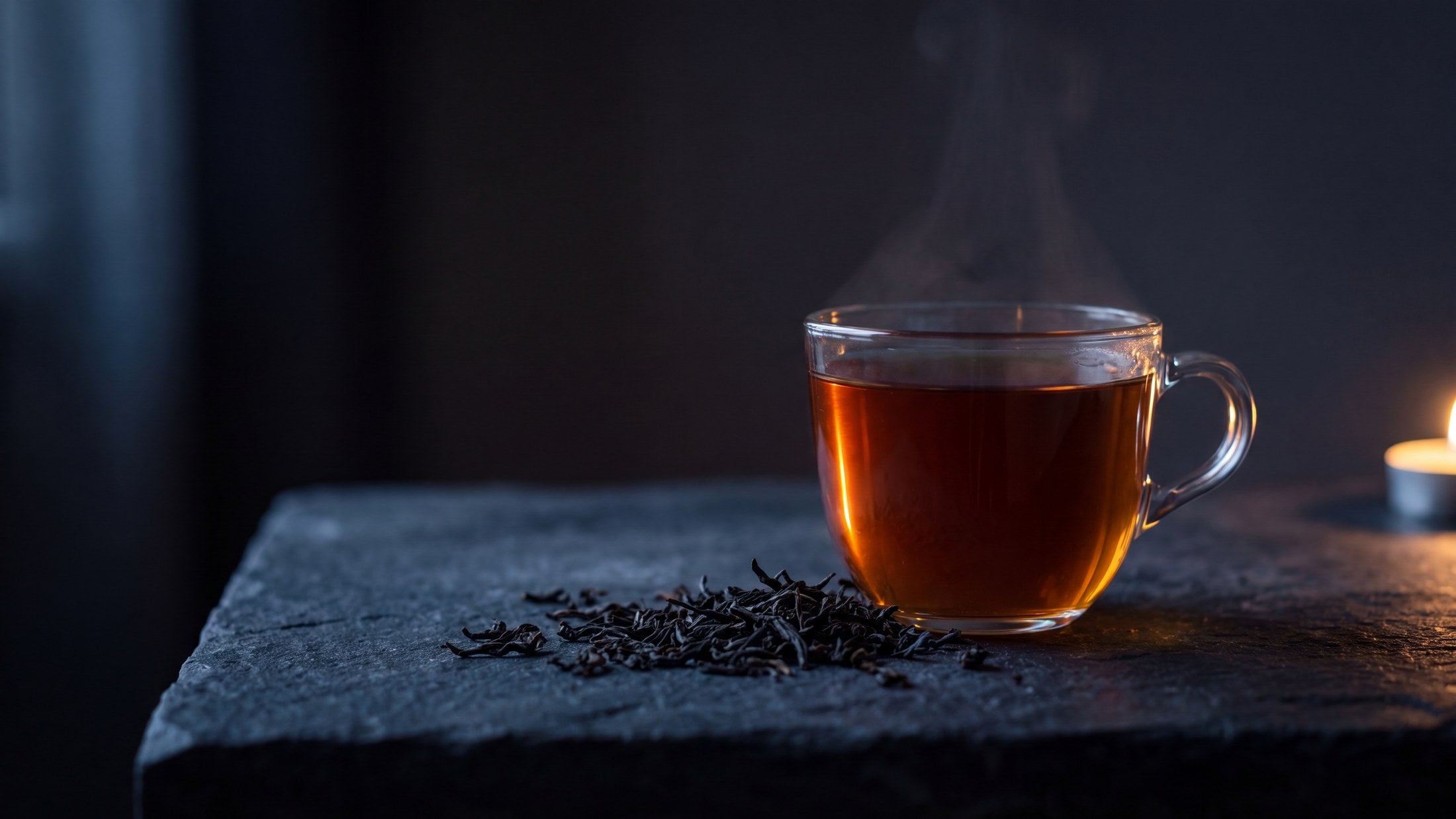
Where boldo is common, it has a name and a time of day. Mate de boldo is the traditional after-lunch cup in Chile, Peru, and Bolivia, poured at the close of the midday meal the way an espresso closes lunch in Rome. By the ethnobotanical accounts of the region, it is made without ceremony: a small handful of dried leaf, hot water, a few minutes of steeping, and a cup carried from the kitchen to the table.
Why it's in Rooted
We use boldo in Rooted, and it splits the room. Some people taste that cool, camphor edge and want nothing milder; others find it too unfamiliar and reach for something they already know. The easy move would have been to let a recognizable herb carry the blend and keep boldo off the label entirely. Black mint is in there for a cool, clean finish, but boldo is the reason Rooted tastes Andean instead of like one more after-dinner blend.
Building a blend around a wild-harvested leaf has a cost, and the cost is steadiness. Batches are small, and they follow the harvest season rather than a production schedule. Boldo is one of the botanicals that make the range what it is; the rest of that thinking sits in how to read a tea label. Blended in Peru. Ingredients include Peruvian and globally sourced botanicals.
One caution: Rooted contains boldo, an Andean after-meal leaf traditionally not taken during pregnancy.
Boldo is a leathery leaf that gives up its flavor slowly; give Rooted ten to eleven minutes. The method is in the loose-leaf guide.
Notes and sources.
Peer-reviewed botany and agronomy on Peumus boldus: its endemic Chilean range and largely wild-harvested trade.
Published archaeology of the Monte Verde site: boldo leaves among the preserved plant remains, evidence of long human use.
Culinary and ethnobotanical writing on Chile, Peru, and Bolivia: mate de boldo as the after-lunch custom.
Menjunjes