Most evening tea isn't tea.
Sleepytime, Bedtime, Calm: the classic blends on the American bedtime shelf are tisanes. Chamomile and herbs in a bag, no tea leaf in the formula. Dusk is actual tea, built for the long part of the evening: dinner onward.
That is not a lapse on anyone's part. It is a category difference most tea drinkers were never told about.
Tea, tisane, and why the word matters
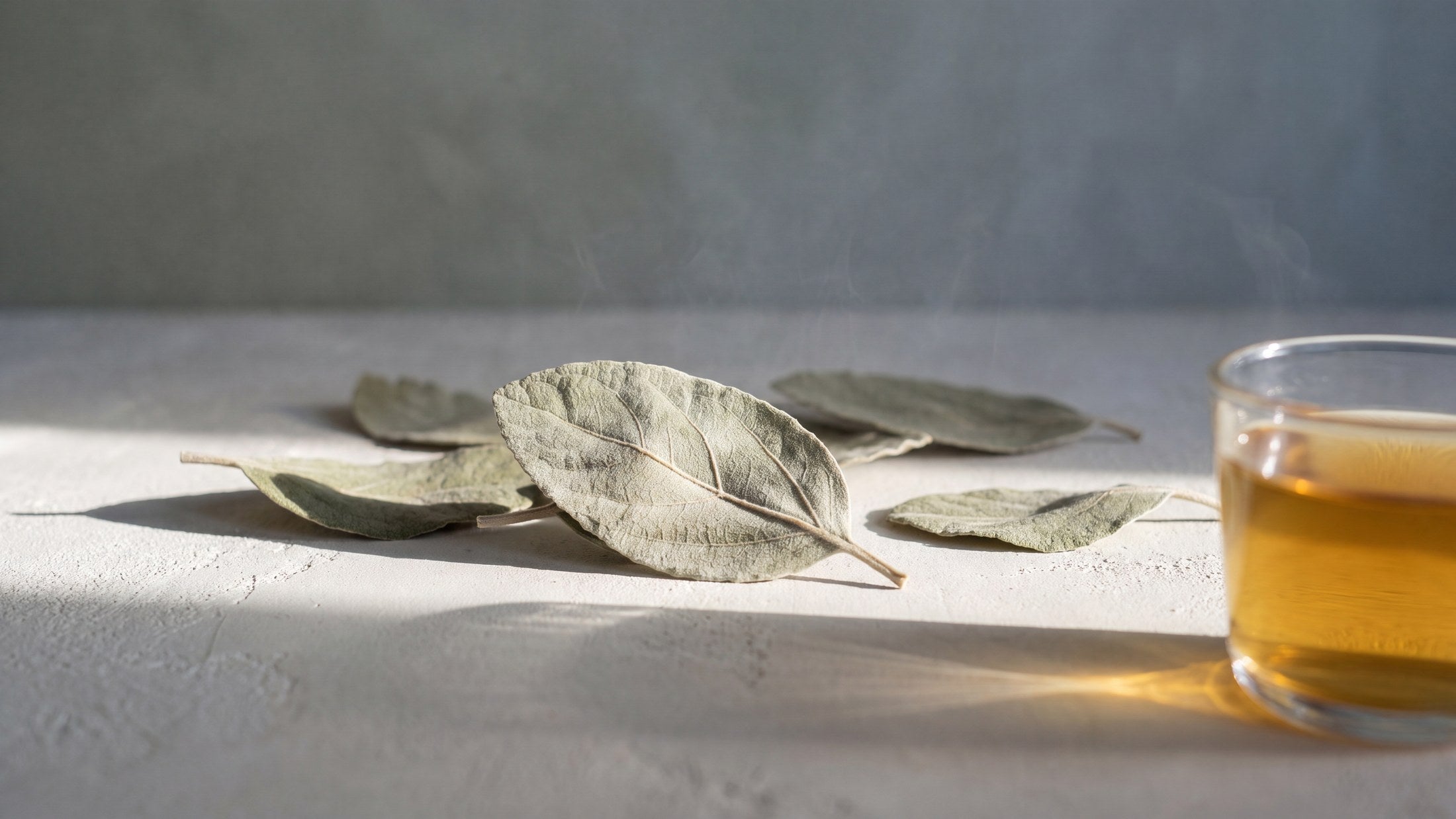
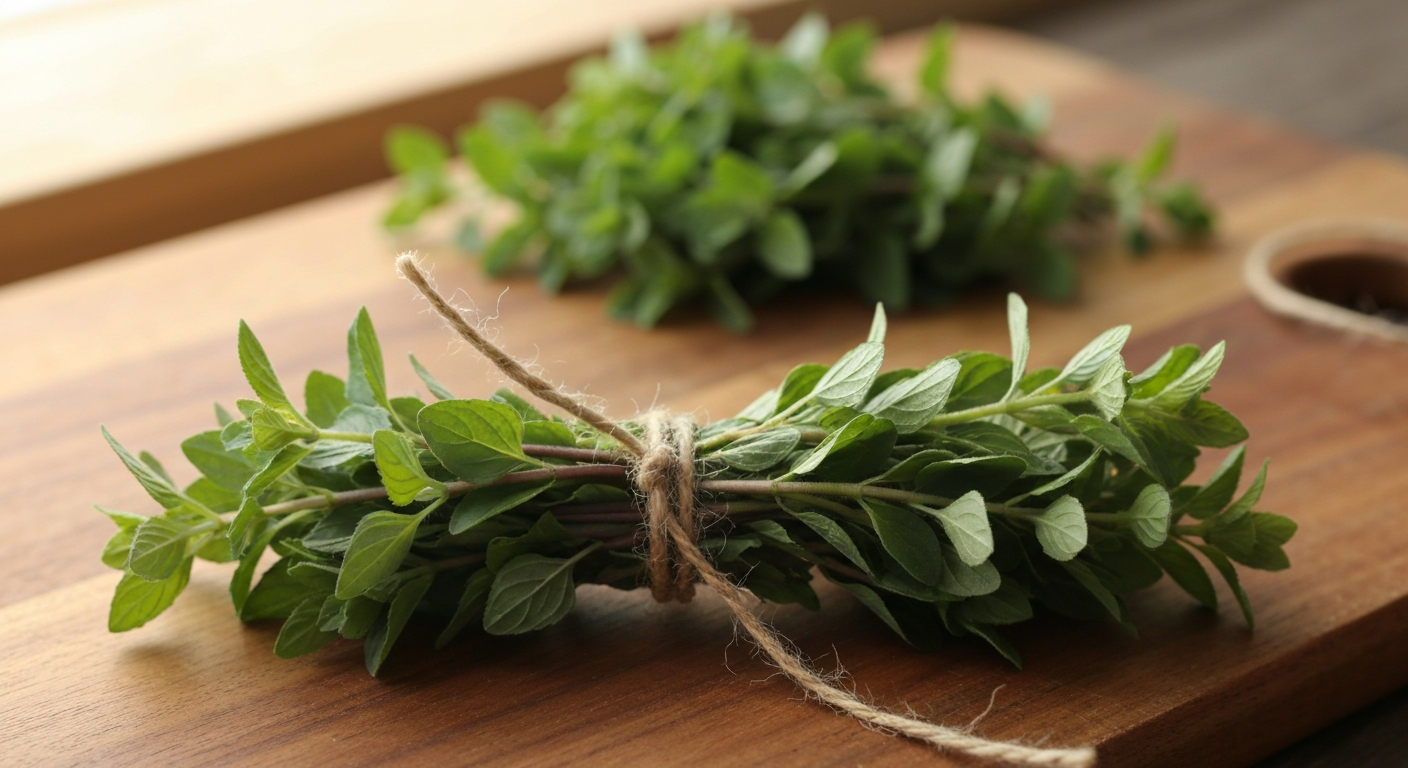
Tea, strictly, is one plant: Camellia sinensis, the leaf behind every black, green, oolong, and white tea on earth. Everything else that steeps (chamomile, mint, hibiscus, rooibos) is a tisane, an herbal infusion. Caffeine lives in the tea leaf, so the tea-or-tisane line is the caffeine line. A tisane has none by nature. A tea has some by definition.
Most evening blends are tisanes on purpose, and there is nothing wrong with that. That reading comes from the manufacturers' own ingredient panels; line extensions exist (there is a Sleepytime green tea), which is why we say the classic blends. It does mean the shelf name misleads: "evening tea," as a category, is mostly not tea. Which leaves the fair question of why ours is.
What the black leaf is doing in Dusk
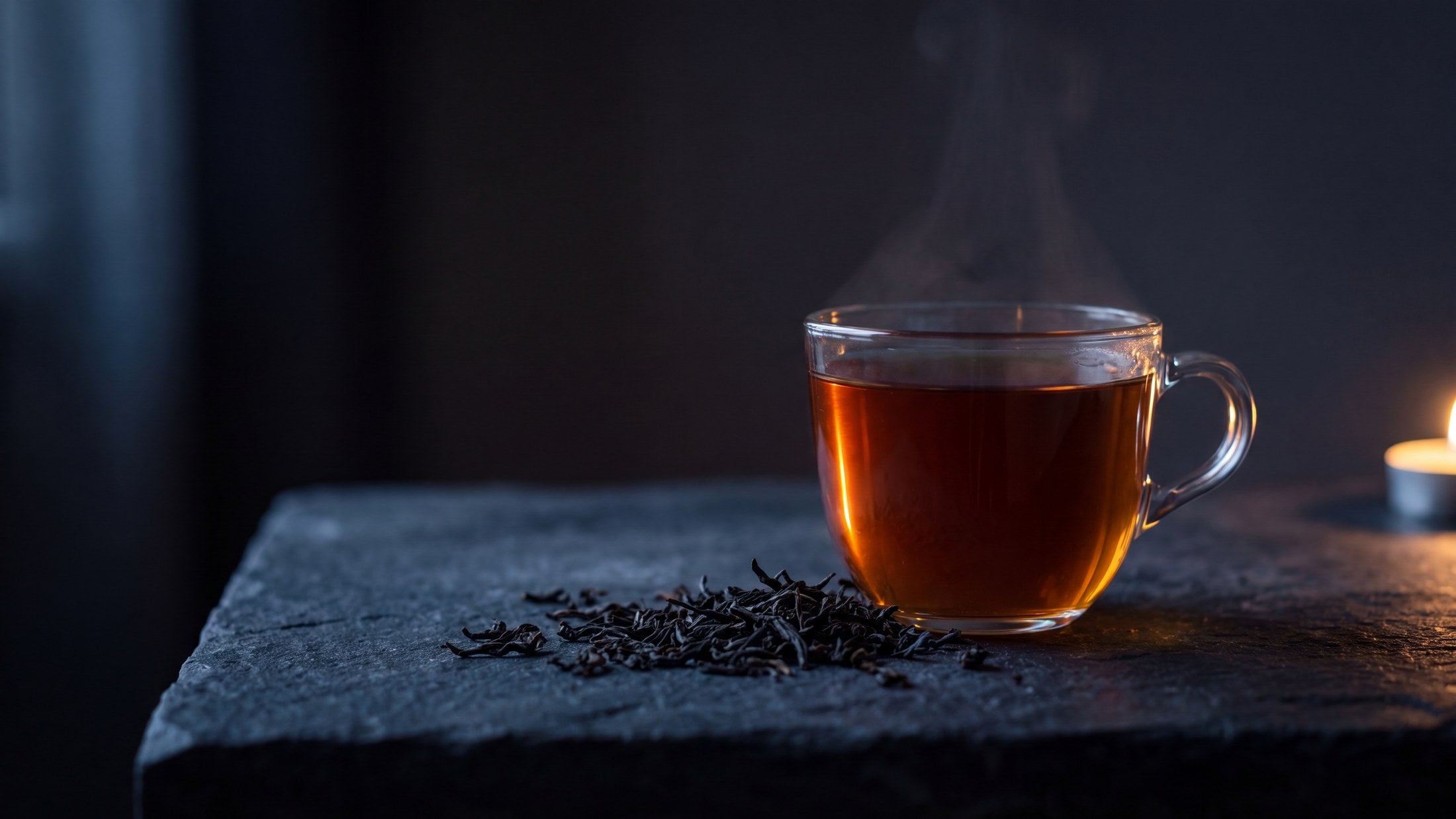
The leaf in Dusk is Cusco black tea, grown in the cloud-forest valleys of southern Peru (a leaf with a hundred-year story of its own), and it is there for structure. The herbs and spices need a base with body, the way a stew needs broth and not just water. We learned that in the blending: without the leaf, chamomile, lavender, lemon balm, Amazonian vanilla, apple, and cinnamon read as soup, all aroma and no spine.
Decaffeinated black tea sounds like the fix, except the processing strips most of the flavor along with the caffeine, and what remains is a thin version of itself. The black leaf gives the blend its spine; the decaffeinated version cannot, at any dose.
The arithmetic is simple. A cup of straight black tea runs 40 to 70 milligrams of caffeine. That range is the commonly published food-science figure. Black tea is about a tenth of the Dusk blend by weight in our recipe, so a serving carries a fraction of a plain cup's caffeine, and far less than coffee. If you are caffeine-sensitive, Rooted and Gather are the caffeine-free blends — tisanes, properly speaking, made that way on purpose.
How to read an evening-tea panel
A habit worth picking up: read the ingredient panel on any evening tea before you buy it. A drowsy name tells you nothing about what is in the bag; the list tells you everything. Some are built on tea leaf, decaffeinated or not, and the panel is the only place that says so. Ours names Cusco black tea outright, and the label reads low caffeine.
The panel also hints at the brewing rules. Pure botanicals deepen as they sit; a blend with tea leaf in it can turn bitter. Dusk takes six to eight minutes and turns tannic past eight, so taste at six. The full numbers live in our brewing guide.
In the cup, Dusk pours light brown and gently sweet, with spiced, woody, honey and floral notes, a medium body, and a long finish; the faint grip at the end is the leaf. A 200-gram pouch is $32, about 25 evenings. Evening is one of the day's four occasions; the four-cup day covers the other three.
Menjunjes