
Journal
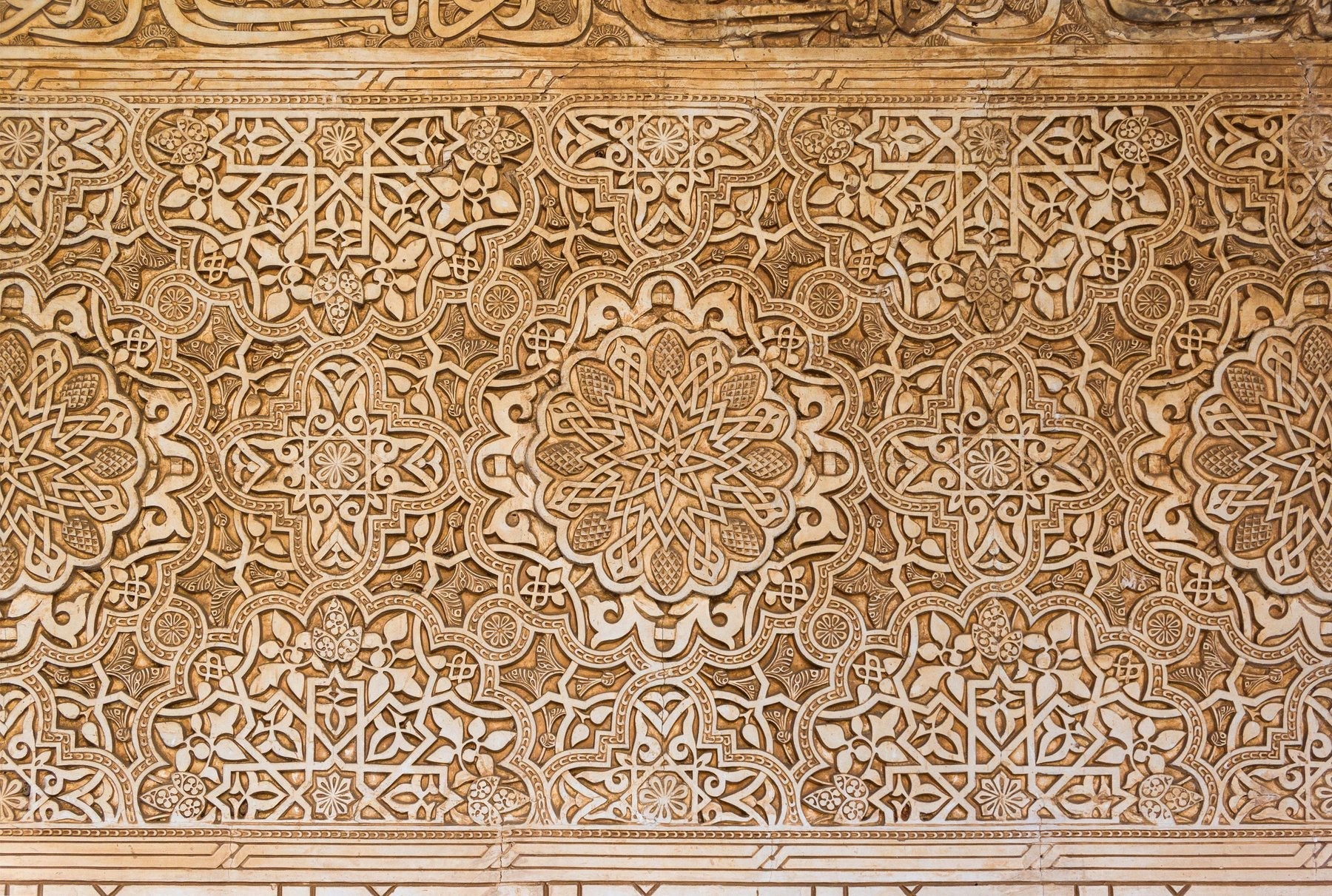
What's a Menjunje? The Thousand-Year Story of the Word on Our Pouch
Menjunje is a Spanish word with an Arabic root, a 1609 use by a Cusco-born writer, and a 1734 dictionary entry that quotes him.
Read more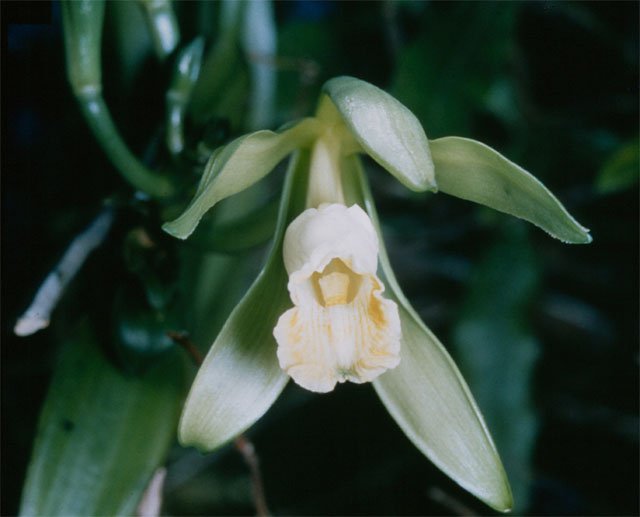
Vanilla Is an Orchid, and It Grows Wild in the Amazon
Vanilla is the cured fruit of a climbing orchid, hand-pollinated one flower at a time. It is native to the American tropics, and Peru's Amazon grows its own.
Read more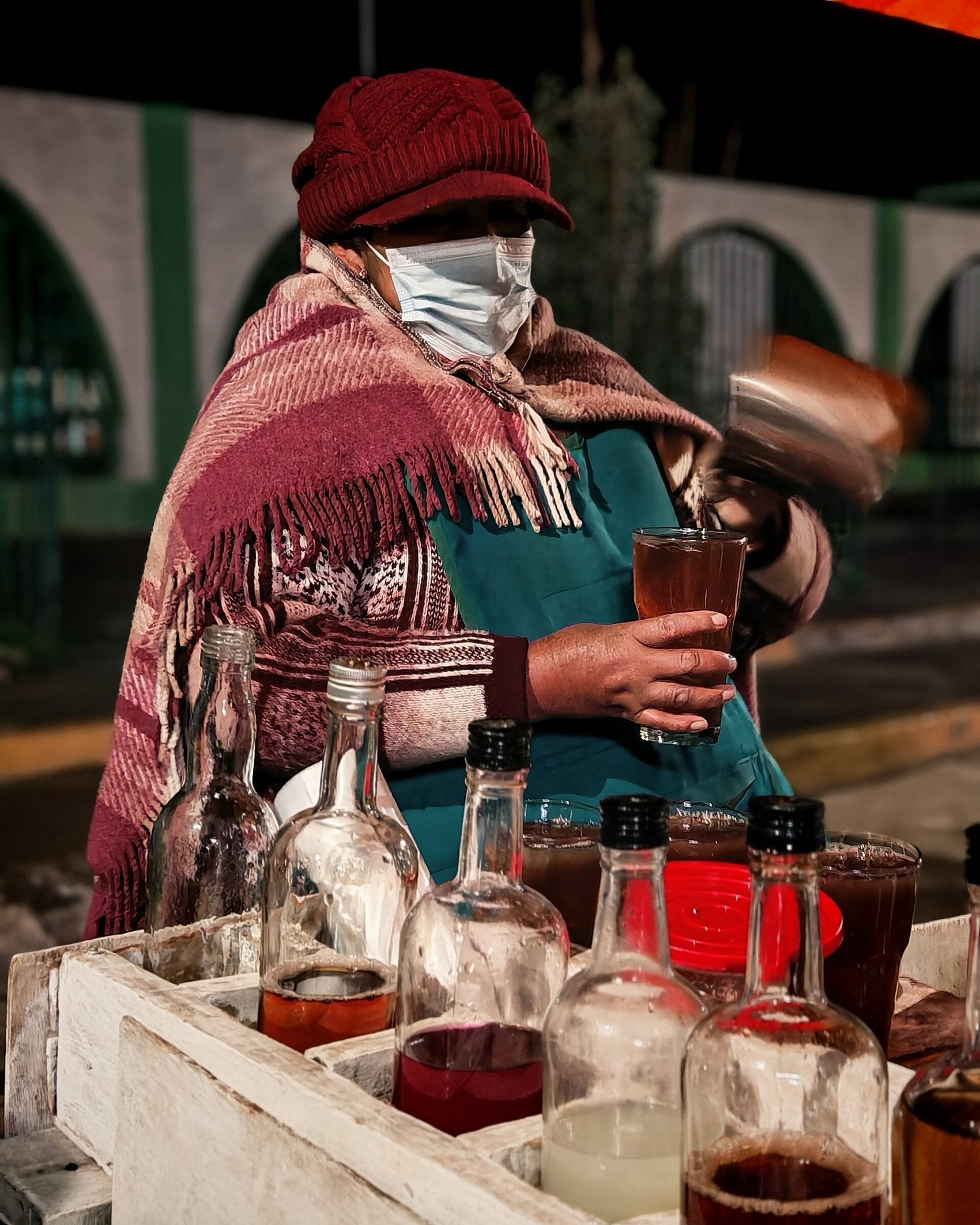
Emoliente: The Dawn Brew Peru Wrote Into Law
Before dawn in Lima, the emolientero pours emoliente from a steel urn: barley, flaxseed, boldo, and lime. What the drink is, why Peru wrote it into law, and the ingredient it shares with our Rooted.
Read more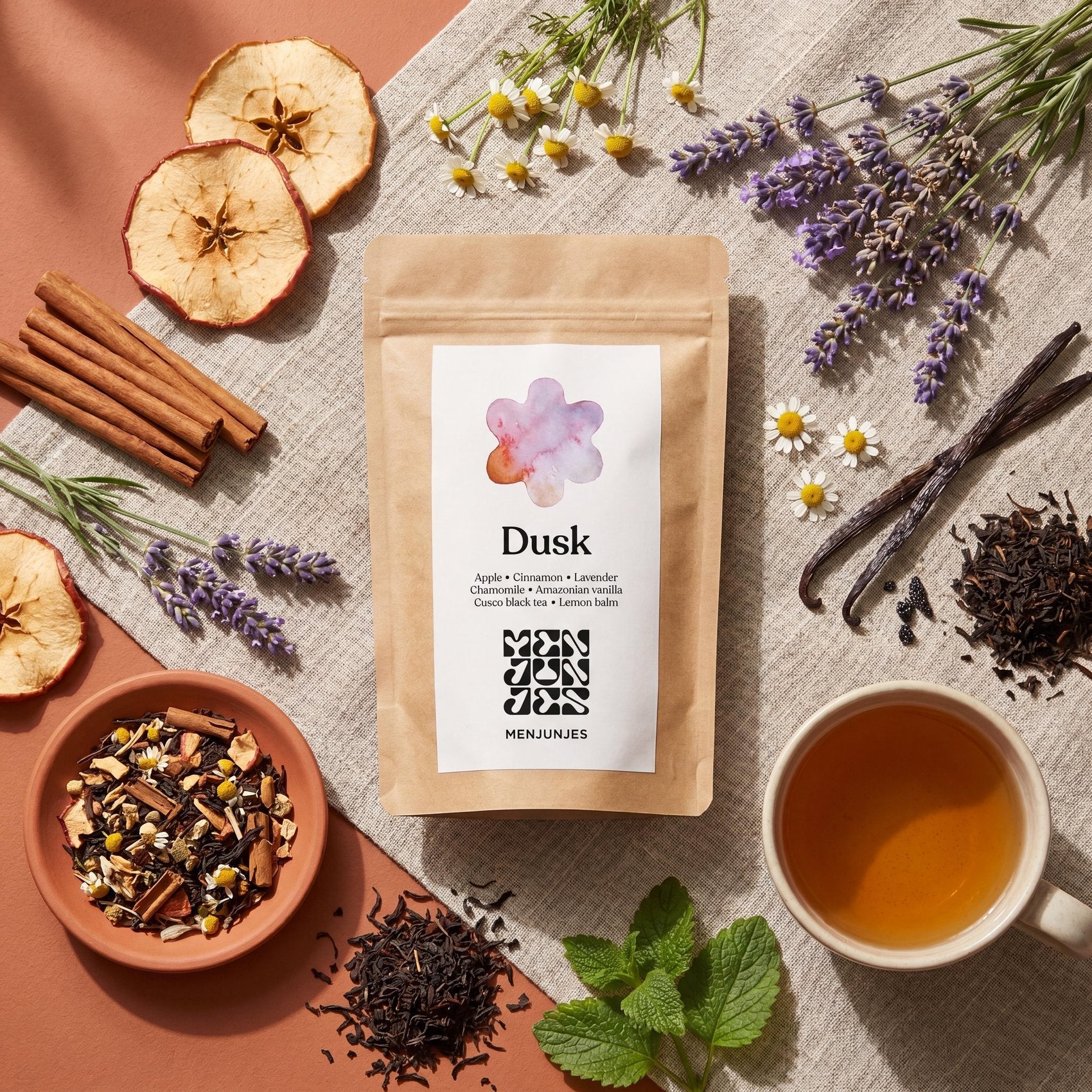
The Busiest Ingredient in the Tea Aisle Doesn't Have a Name
Two words near the bottom of the box do an enormous amount of work. What "natural flavors" legally covers, why flavored tea leans on it, and how to read a tea panel in about ten seconds.
Read more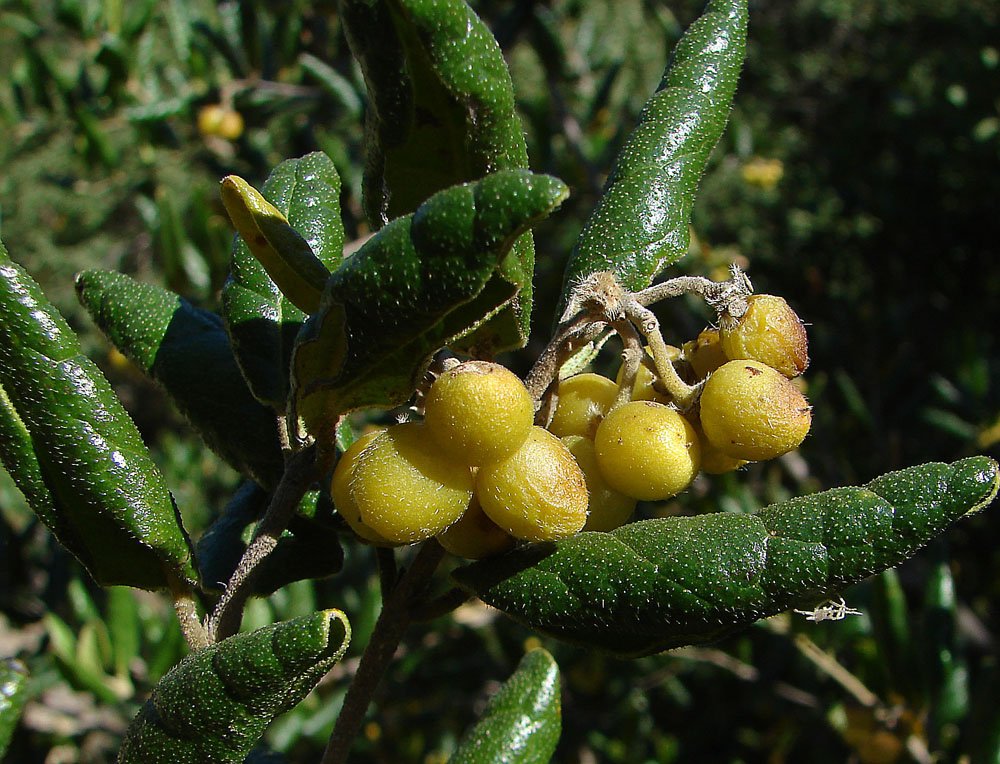
The 12,000-Year-Old Pantry: What a Dig in Chile Found Beside the Fire
The oldest physical evidence of people keeping a plant we still brew is not in China. It is a peat bog in southern Chile, where boldo leaves turned up among plant remains more than twelve thousand ...
Read more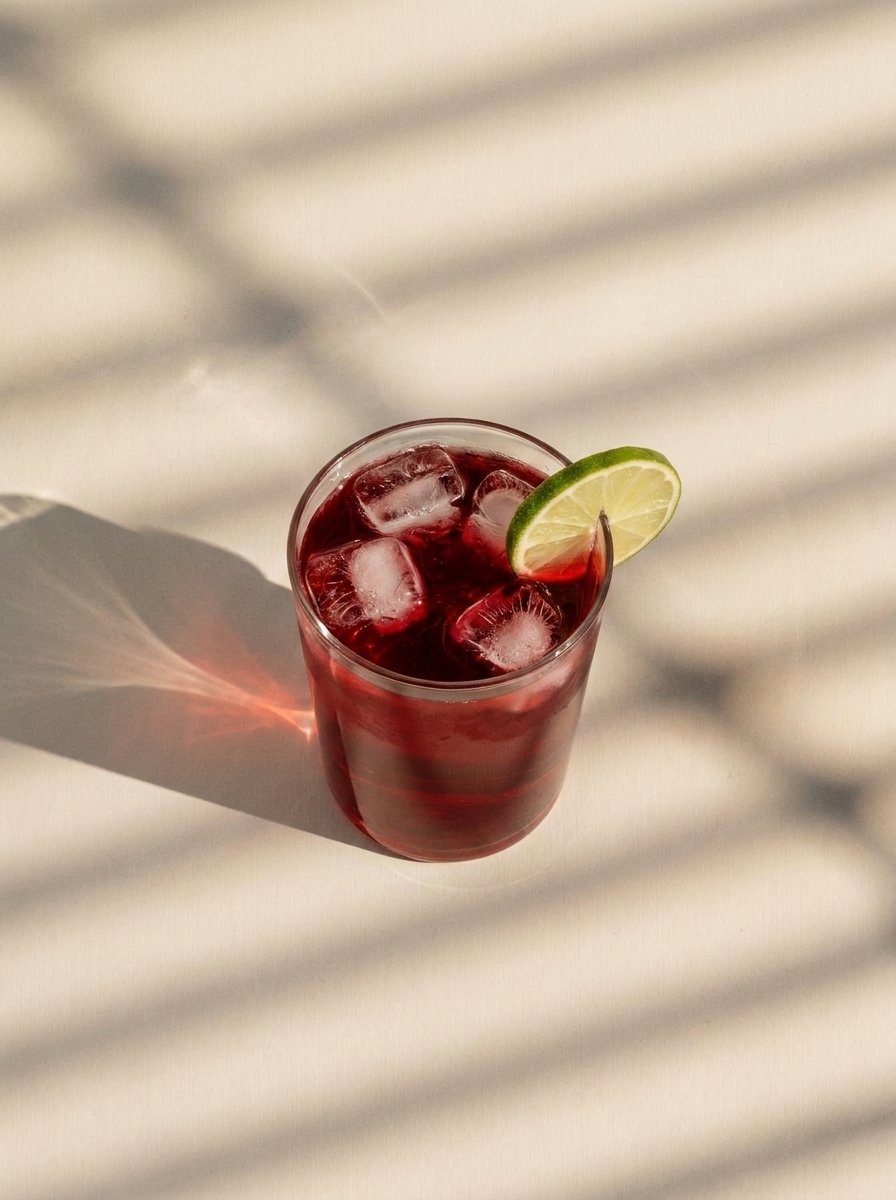
Why Cold-Brewed Tea Barely Turns Bitter
Hot water pulls tannins fast; cold water is far slower to touch them, which is why an overnight jar of loose leaf comes out sweet instead of sharp. The chemistry, the method, and the cold hibiscus ...
Read more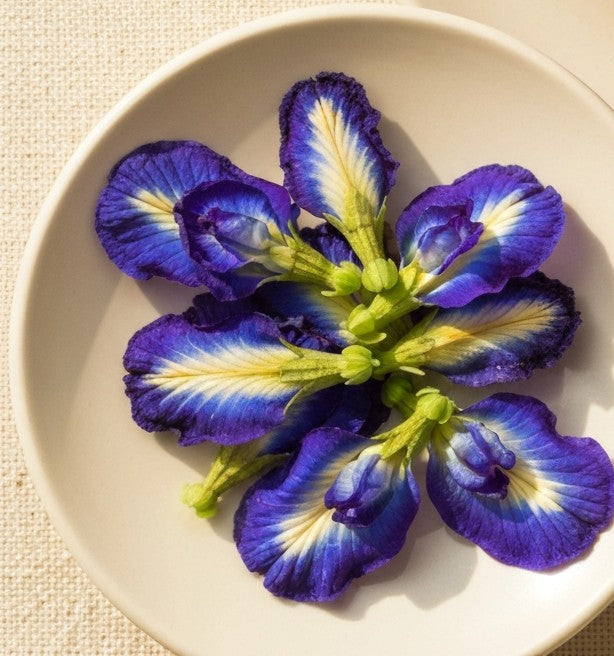
What Is Butterfly Pea Flower? The Blue Petal in a Berry-Red Cup
Butterfly pea flower is one of seven ingredients in Gather: mild on the tongue, famous to the eye. Where the flower comes from, and why the cup it lives in pours deep berry red.
Read more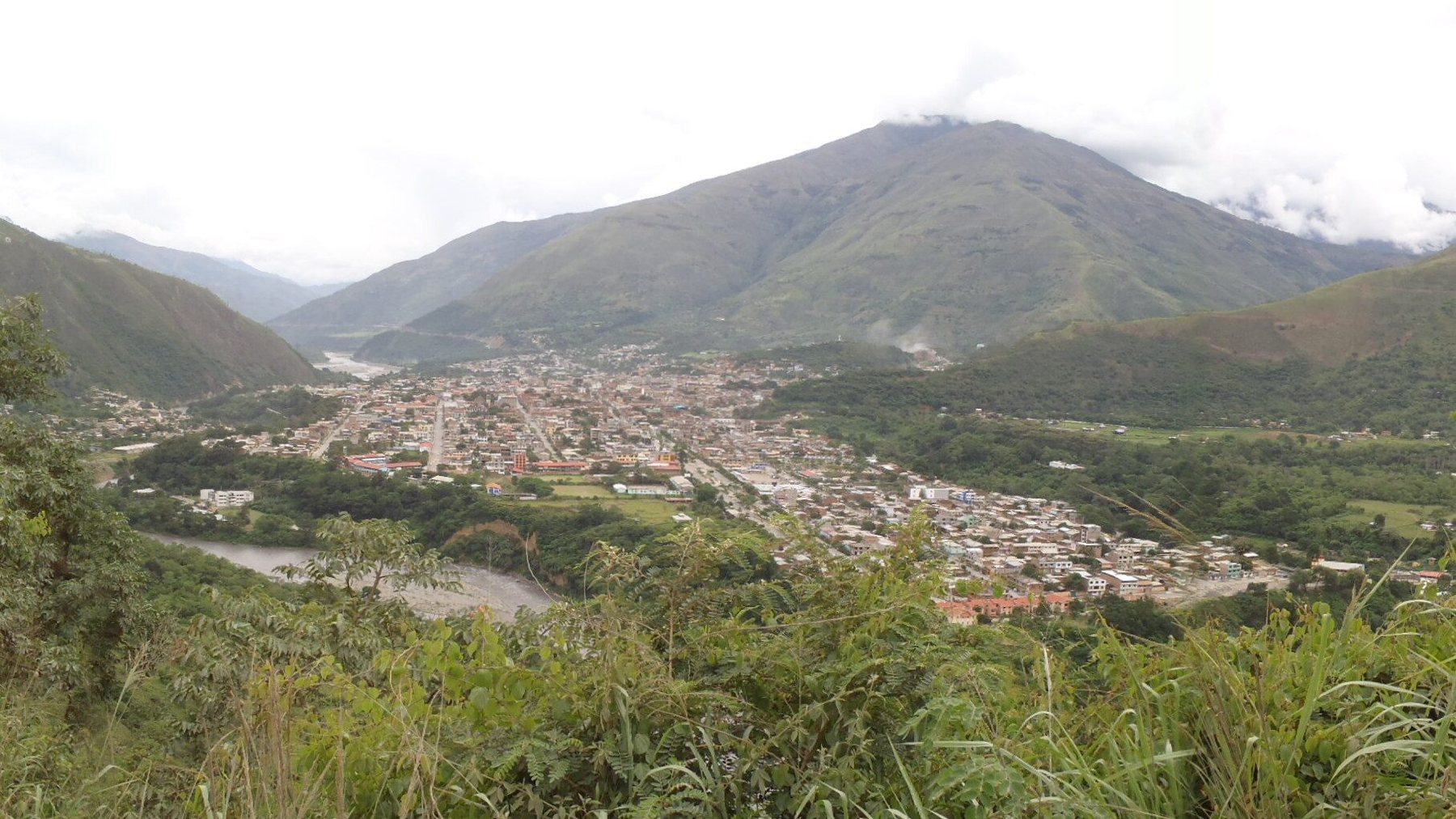
Peru Grows Tea. The Story Starts Below Cusco.
Tea grows around Huyro and Huayopata, where the Cusco region drops toward the Amazon. Its history includes a disputed 1913 ship story, unpaid estate labor, peasant unions, cooperatives, crisis, and...
Read more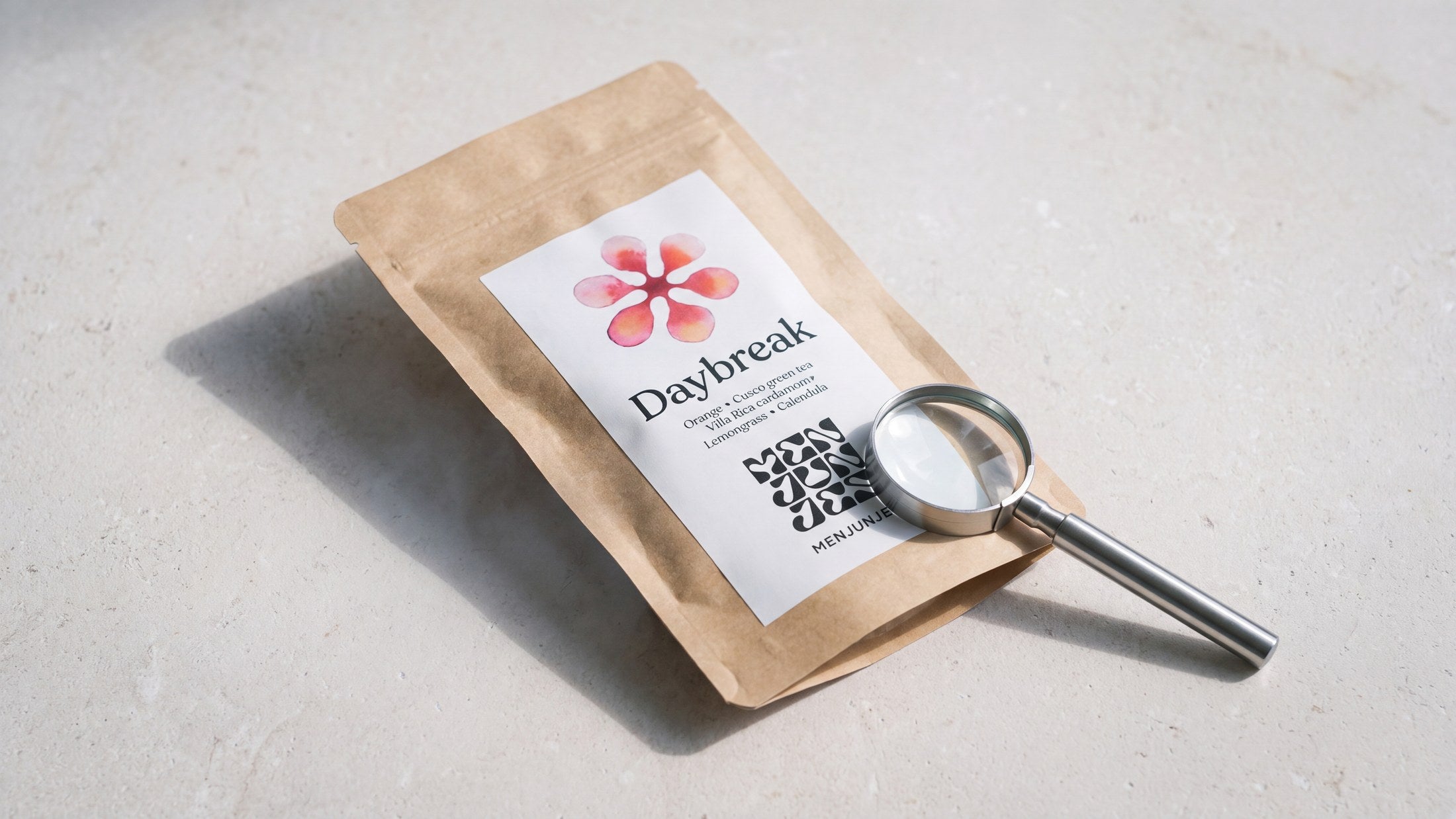
The line on the pouch, taken literally: what an origin line verifies, what the small print beside the name discloses, and how to read an ingredient panel like a buyer.
Read more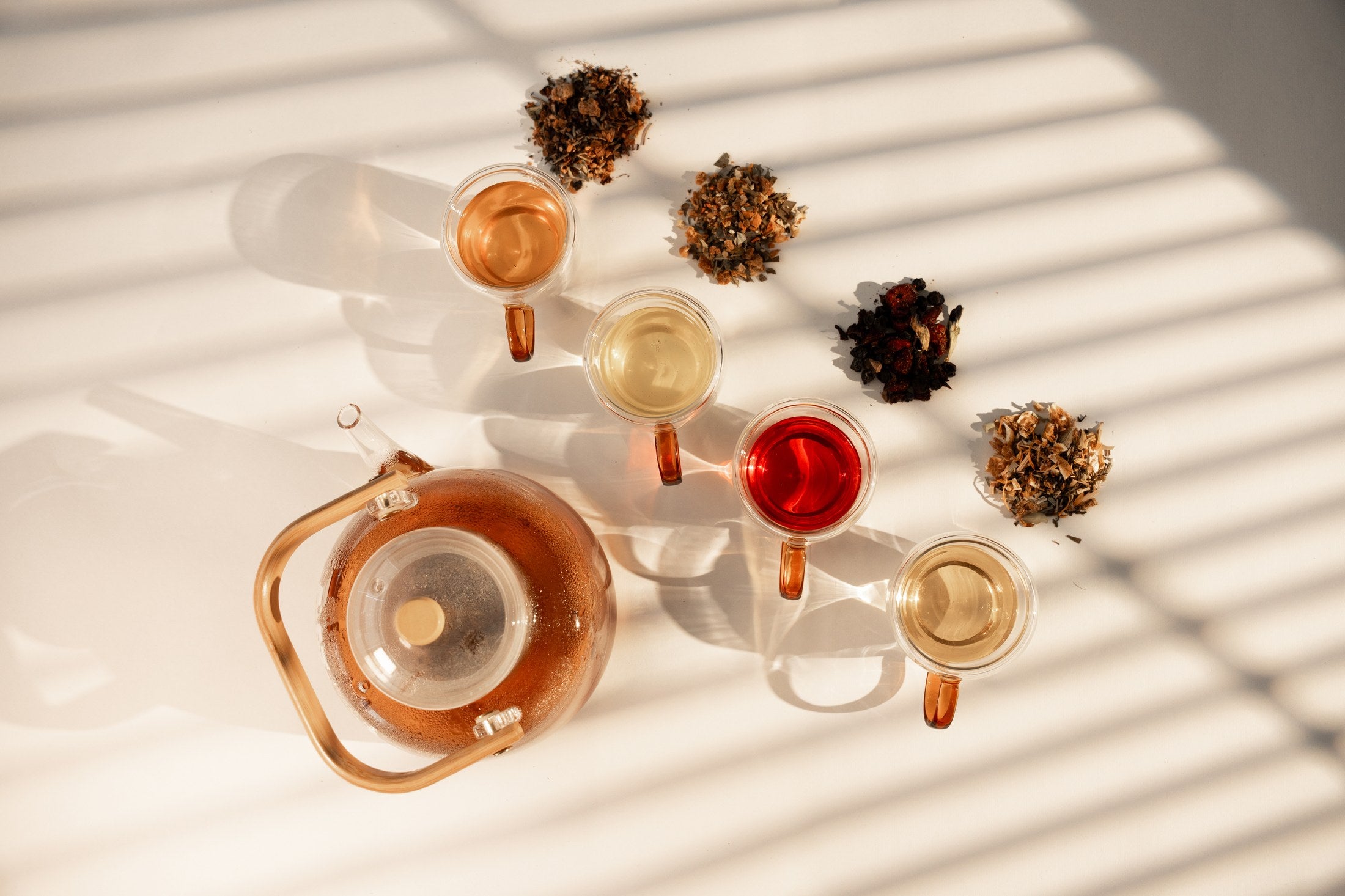
Which tea to drink when: morning, after meals, evening, with company
We built four blends because the day has at least four moments: a guide to which blend belongs to the morning, after meals, the evening, and company.
Read more